Land Clearing for Commercial Sites: How to Avoid Schedule Killers
Commercial land clearing isn’t just “push trees and go.” It’s the first place projects either stay on
schedule—or start bleeding time and money. The goal is simple: deliver a clean, build-ready site with
predictable production, safe access, and no surprises for the next trade.
What “build-ready” clearing actually includes
A proper commercial clearing scope usually covers:
- Vegetation removal (trees, brush, roots)
- Grubbing and debris separation
- Haul-off and disposal planning
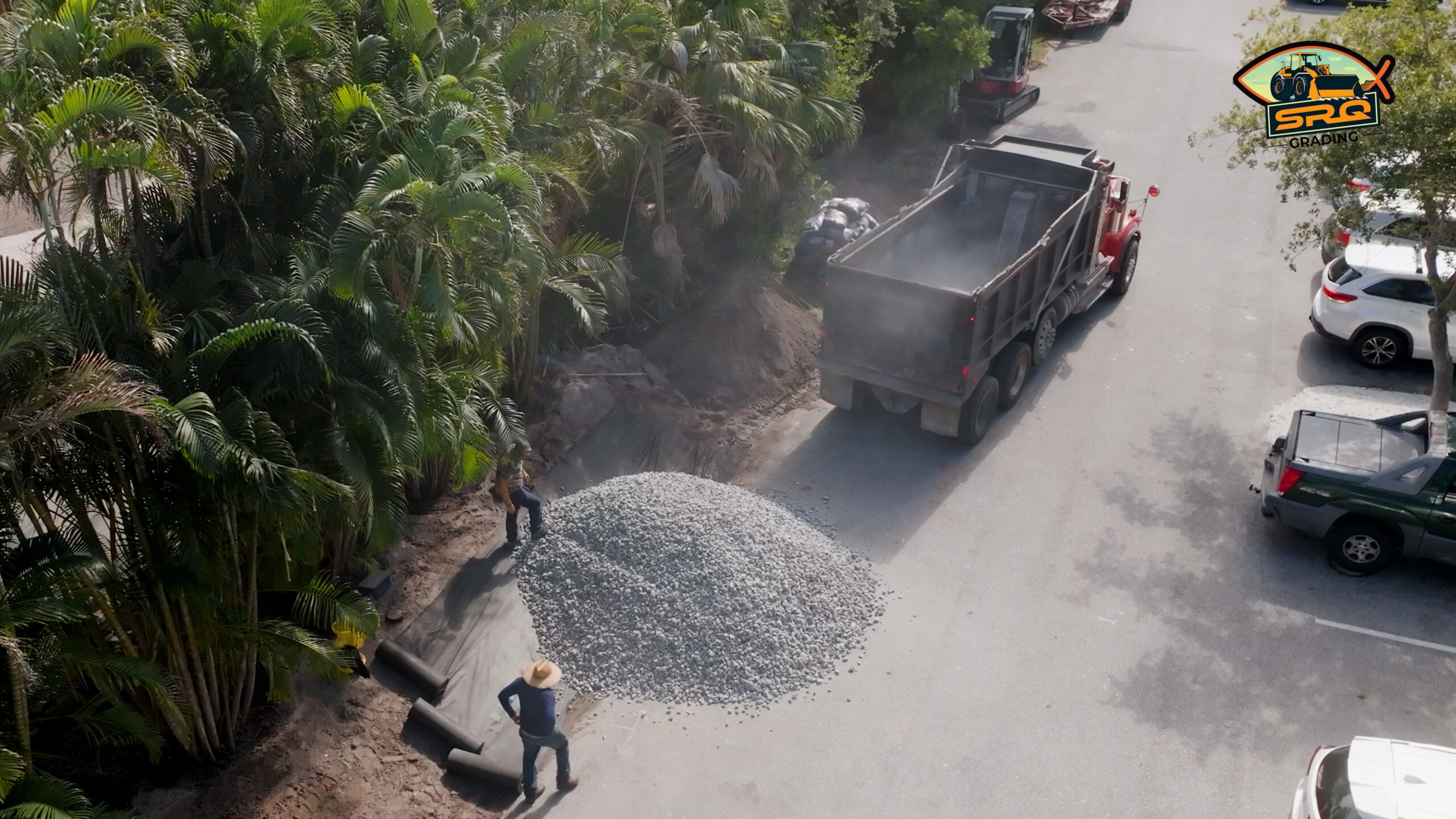
- Rough grading for access and drainage
- Stabilization steps to reduce tracking and mud
When clearing is rushed, the problems show up later as soft spots, standing water, and rework for
excavation crews.
Common schedule killers (and how to prevent them)
Hidden debris and organics left in place:
- If organics aren’t removed, you can end up with settlement under pads and drives.
- Poor access for trucks and equipment: If haul routes aren’t planned, you lose hours every day to bottlenecks.
- No staging plan: Without a laydown/staging strategy, crews waste time moving piles multiple times.
- Weather + mud: Clearing should include practical steps to keep equipment moving, not just “wait it out.”
- What to ask your land clearing contractor
- What’s the plan for grubbing and organics removal?
- How will you stage and load out debris?
- How many trucks will be dedicated to haul-off?
- What’s your plan to keep the site moving after rain?
The SRQ Grading approach
We clear with the next phase in mind—excavation, utilities, base, and access. That means production-
focused equipment, clean load-out, and a site that’s ready for the trades behind us.
Need commercial land clearing that keeps your schedule intact?
Call SRQ Grading now and get a clearing plan + estimate. Don’t guess—get it done right.